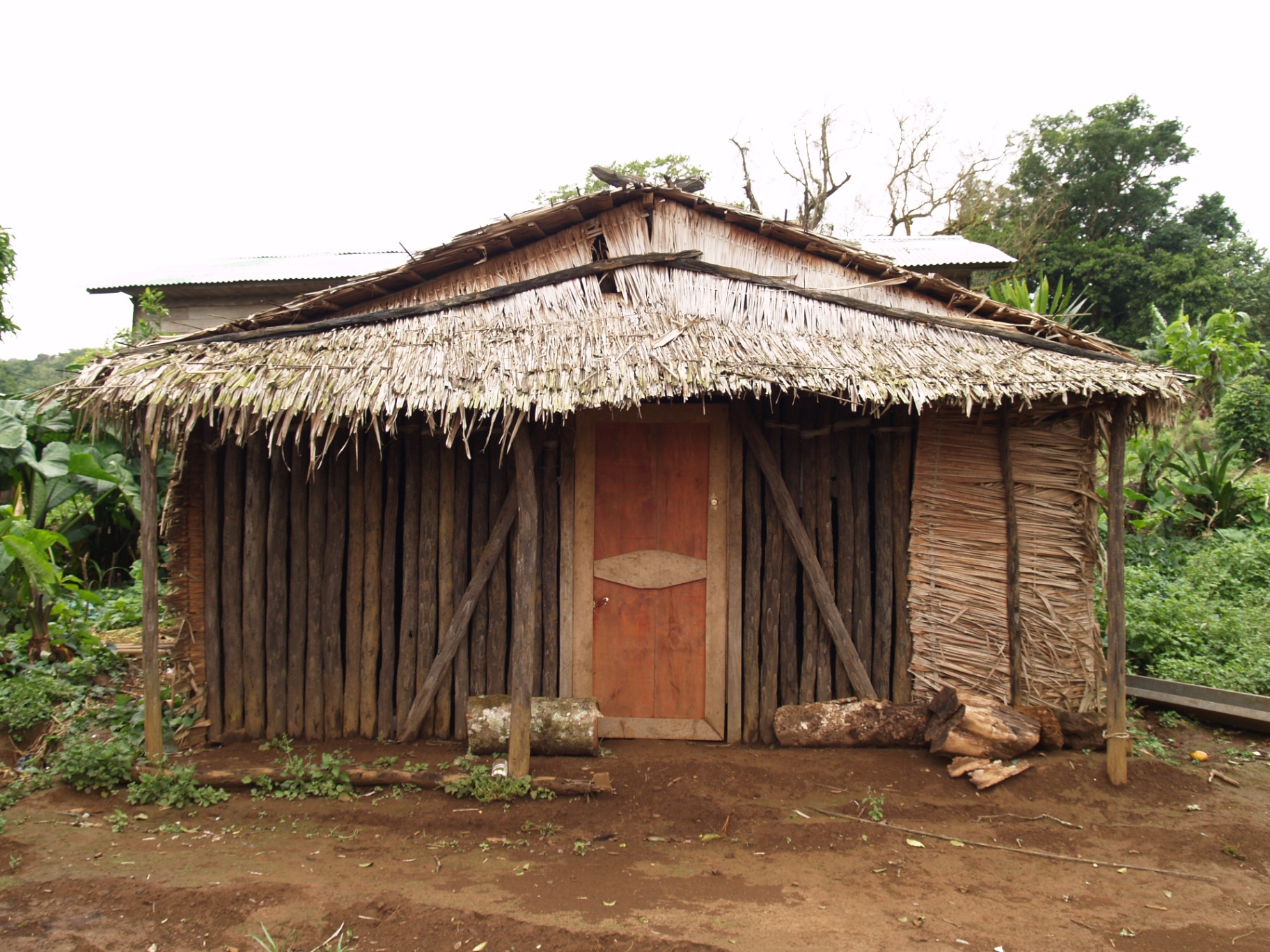
Vernacular house, Equatorial Guinea

The House
Holds

How is a house built?

The House Holds begins with memories of childhood homes to explore architecture as a collective process shaped by knowledge, care and relationships.

Equatorial Guinea · Barcelona · Nairobi 2026

02 · The Project

What do you remember about the house you grew up in?

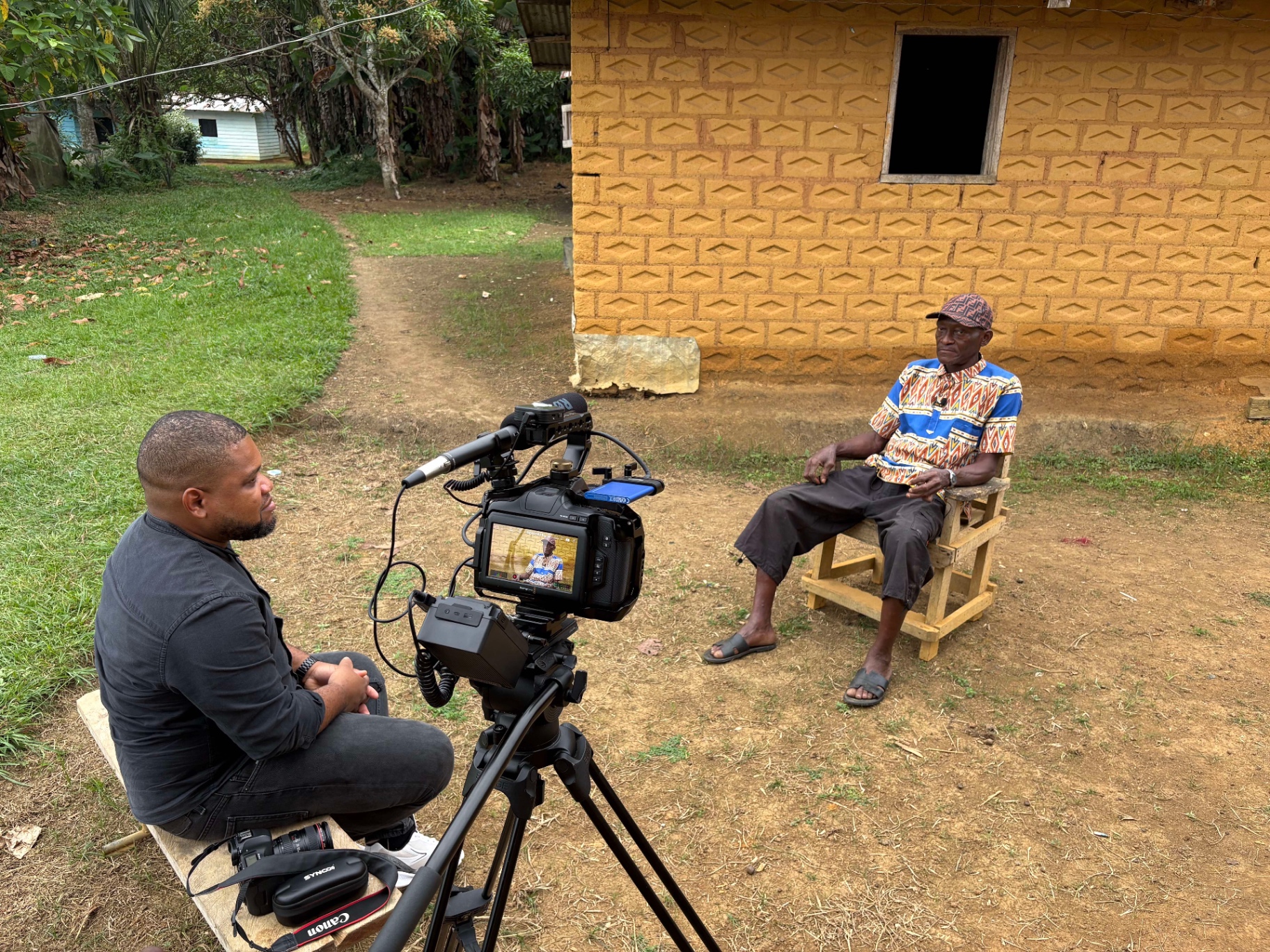
The House Holds begins with memories of childhood homes. Through conversations filmed in Equatorial Guinea, different people recall the spaces in which they grew up: their rooms and courtyards, the materials they were built from, their sounds, the people who inhabited them and the ways in which they changed over time.

These memories reveal the house not only as a built object, but as a material, emotional and social space — shaped by family relations, shared knowledge, care and collective forms of making.

Part of a broader research process developed by LAUGE in Equatorial Guinea, the project takes the form of an experimental audiovisual piece directed by Matilda Vidal de Llobatera, with cinematography by Gloyer Matala Evita.

Local KnowledgeCareMemoryCollective AuthorshipDwellingArchitectureFuture Imaginaries
Still from The House Holds, Equatorial Guinea, 2026
Still from The House Holds, Equatorial Guinea, 2026.
03 · Bata · Barcelona · Nairobi

Bata · Barcelona · Nairobi

The House Holds is itself shaped through a network of relationships. Developed by a team working between Equatorial Guinea and Catalonia, the project brings together architectural research, local knowledge and audiovisual practice.

LAUGE is a research and practice platform focused on architecture, cities and territory in Equatorial Guinea.

Architects and researchers Laida Memba Ikuga, Ursicino Endaman Nsé and Xavi Rodríguez Soriano develop and curate the research through LAUGE. Matilda Vidal de Llobatera directs its audiovisual expression, with cinematography by Gloyer Matala Evita.

From Bata to Barcelona and Nairobi, the way the project is produced mirrors one of its central ideas: architecture and knowledge are not generated from a single centre, but through relationships, exchanges and forms of interdependence.
04 · The Manifesto

What holds the house?

I

The House as Cultural Criticism

The house is more than a physical object. It carries memories, values, relationships and ways of understanding the world. Looking closely at how we build and inhabit it can reveal the cultural and social structures that shape architecture.

II

Architecture as a Network of Care

A house is sustained over time through maintenance, adaptation, negotiation and care. Architecture emerges not only through construction, but through the relationships and everyday actions that allow spaces to continue supporting life.

III

Decentring Authorship

Architecture is rarely the result of a single author. Building involves different people, forms of knowledge and decisions accumulated over time. The House Holds questions the architect as the unquestioned centre of architectural production.

IV

The Futures Are Already Here

Local knowledge, inherited practices and everyday ways of making are not simply traces of the past. They remain active tools for understanding the present and imagining other architectural futures.

05 · Format

An audiovisual piece and an adaptable installation.

The House Holds takes the form of an experimental audiovisual piece that brings together voices, images, sounds and memories recorded in Equatorial Guinea.

Conceived to travel, the project can be presented in different spatial configurations and adapted to cultural institutions, exhibitions, universities and public programmes.

Its deliberate economy of means is understood not as a limitation, but as a critical position towards the logics of overproduction, consumption and spectacle in contemporary architecture.

Audiovisual fieldwork in Equatorial Guinea — filming on site at a modernist pavilion.
Fieldwork still — audiovisual recording on site, Equatorial Guinea.
06 · The Biennale

Shifting the Center:
From Fragility to Resilience

The House Holds will be presented in Nairobi as part of the inaugural Pan-African Architecture Biennale, bringing the project into a wider conversation around African architectural futures, situated knowledge and new ways of thinking about architectural practice.

The first architecture biennale of this scale on the African continent, the Biennale brings together voices, practices and ecologies from across Africa, placing them at the centre of contemporary architectural debate.

54+
Participants from across the continent
10K
Expected attendees
70%
Exhibition leadership is women
500K+
Online engagement
Pan-African Biennale 2026
Nairobi, Kenya
7–11 September 2026
African Futures
07 · The Journey

Beyond
Nairobi.

The project is conceived as a travelling platform that continues generating dialogue through exhibitions, screenings, conversations and institutional collaborations.

  1. SEPTEMBER 7–11, 2026

    Pan-African Architecture Biennale

    Nairobi
  2. NOVEMBER 12, 2026

    Casa de l’Arquitectura

    Barcelona World Capital of Architecture
  3. NOVEMBER 23–27, 2026

    IV Architecture Week

    Malabo and Bata
08 · Team

The people behind The House Holds.

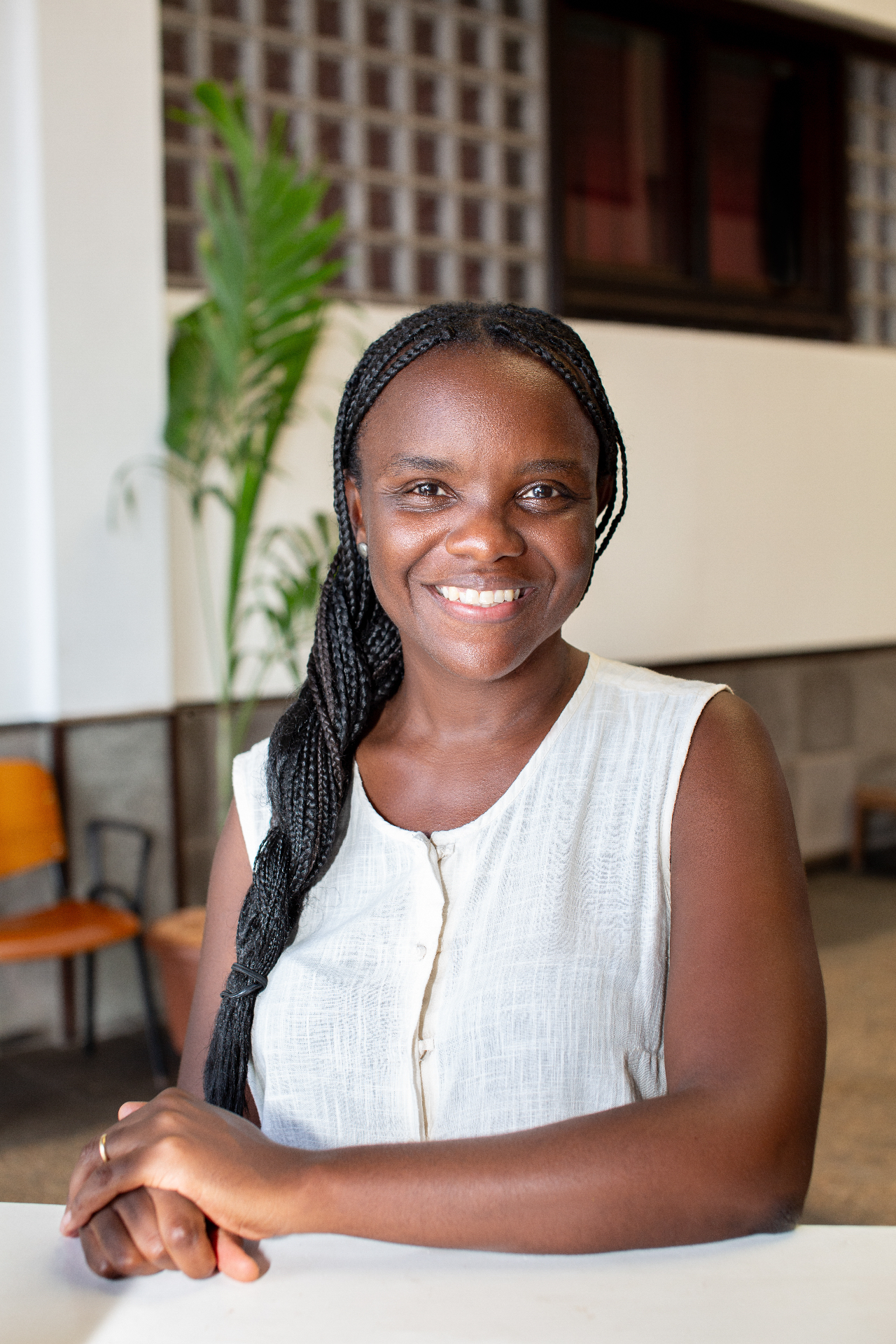
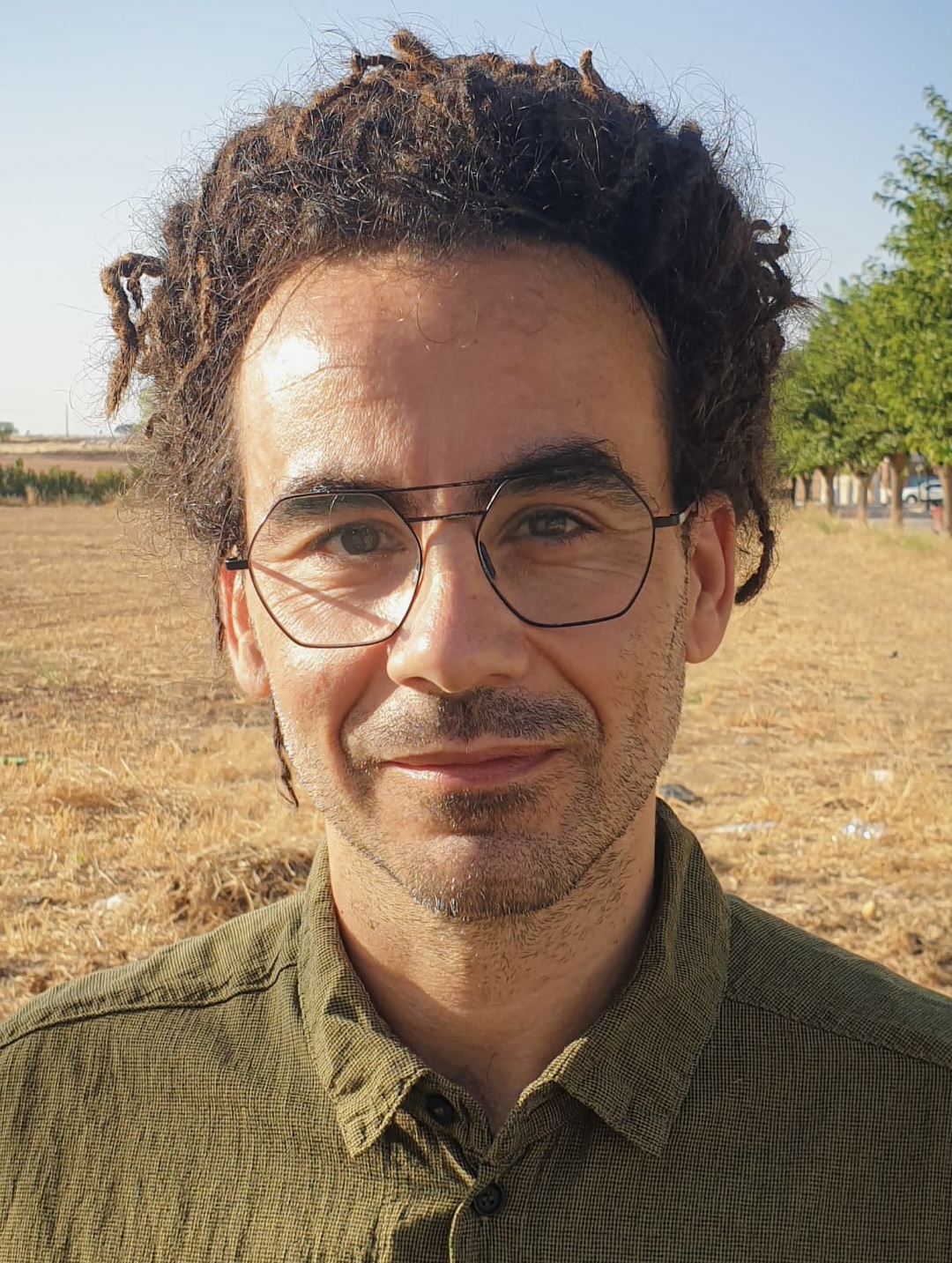
Portrait of Ursicino Endaman Nsé

Ursicino Endaman Nsé

Architecture · Research · Curatorship

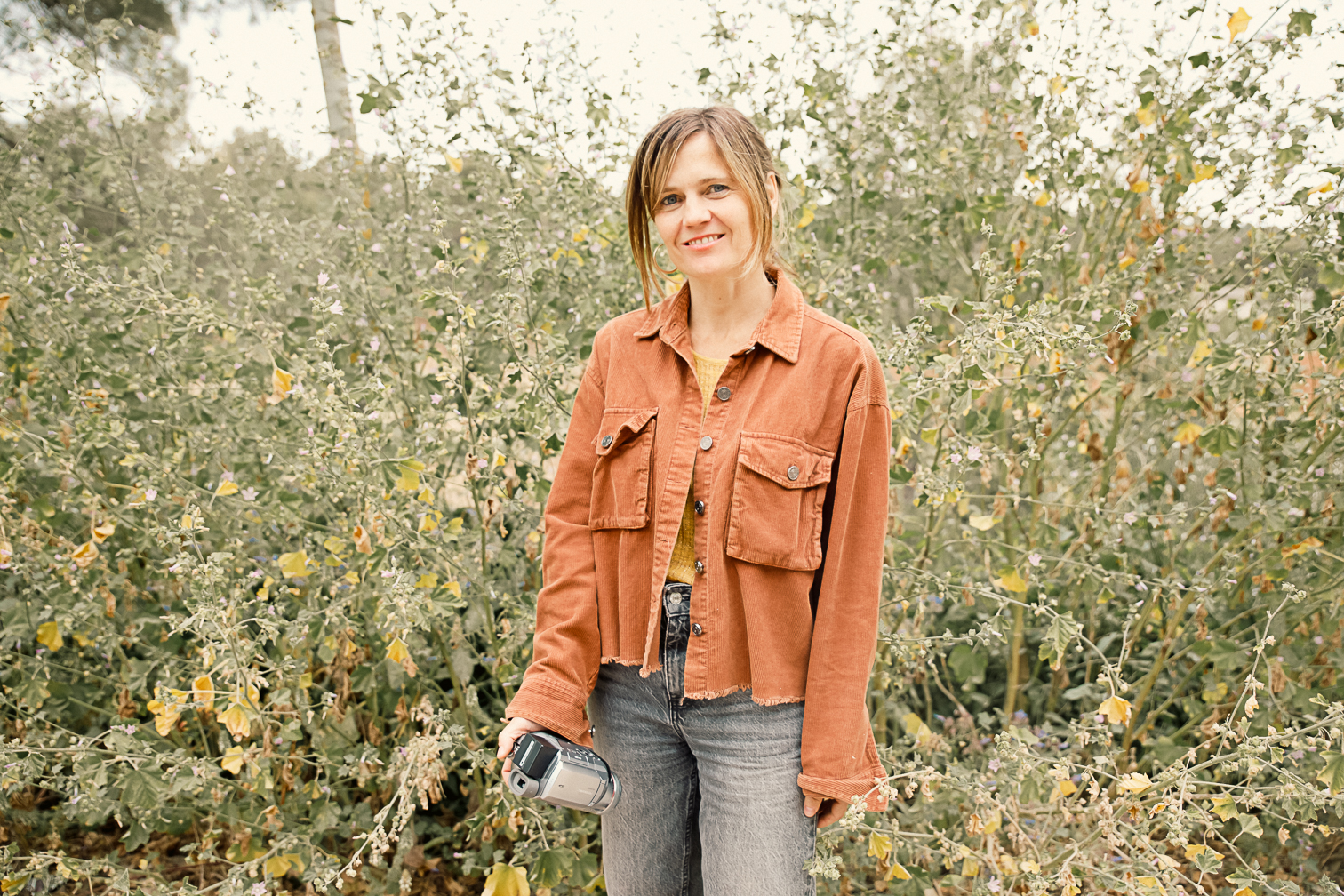
Portrait of Matilda Vidal de Llobatera

Matilda Vidal de Llobatera

Film Direction · Editing · Production

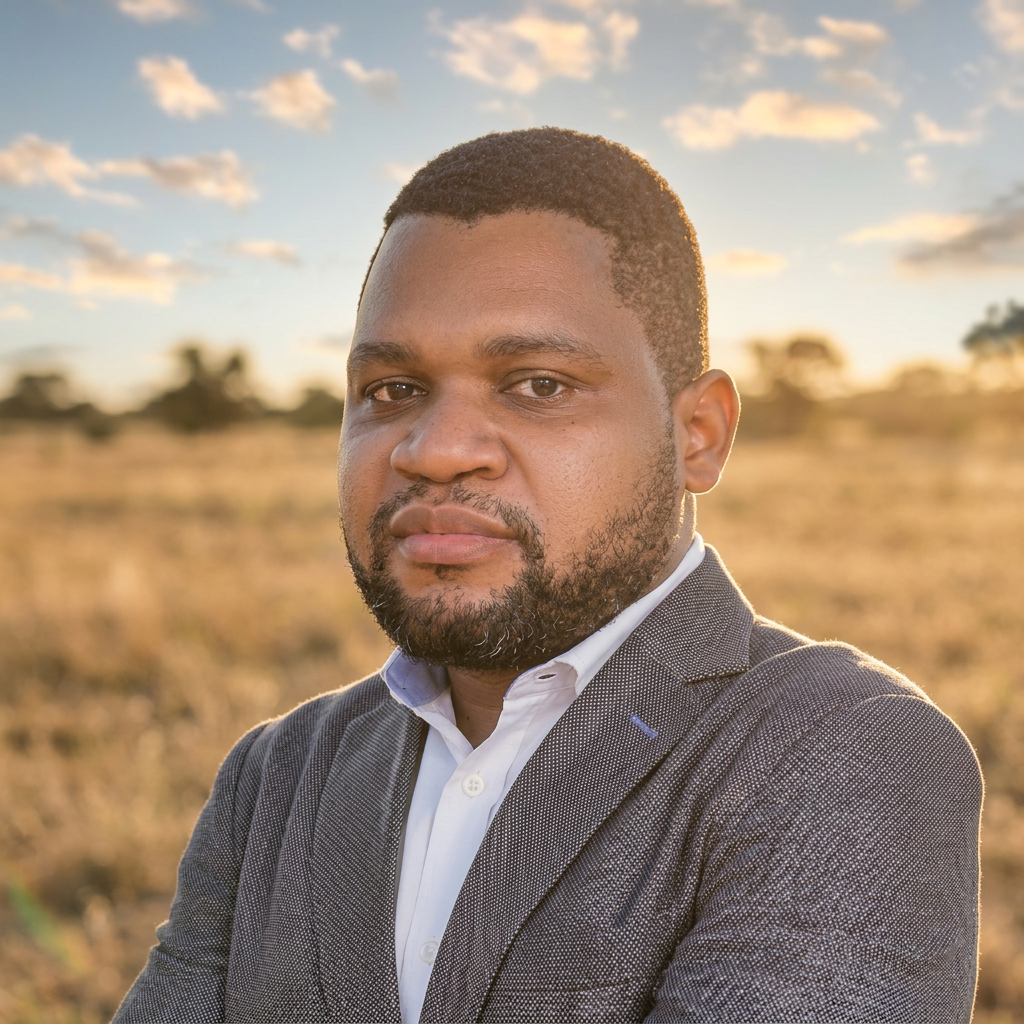
Portrait of Gloyer Matala Evita

Gloyer Matala Evita

Cinematography

09 · Strategic Partners
Strategic Partners — Fundació Mies van der Rohe, CCCB, AECID, CICTE, Museu Tàpies, CIPCA, COAC
10 · Contact

Continue the conversation.

The project welcomes collaborations and exchanges with cultural institutions, universities, researchers, curators and media interested in architecture, memory, situated knowledge and the future development of The House Holds.

GENERAL & PRESS ENQUIRIES
hola@lau-ge.org
Partnerships & Sponsorships
Beth Espinalt Capdevila
beth@doer.cat